Articles on workplace operations
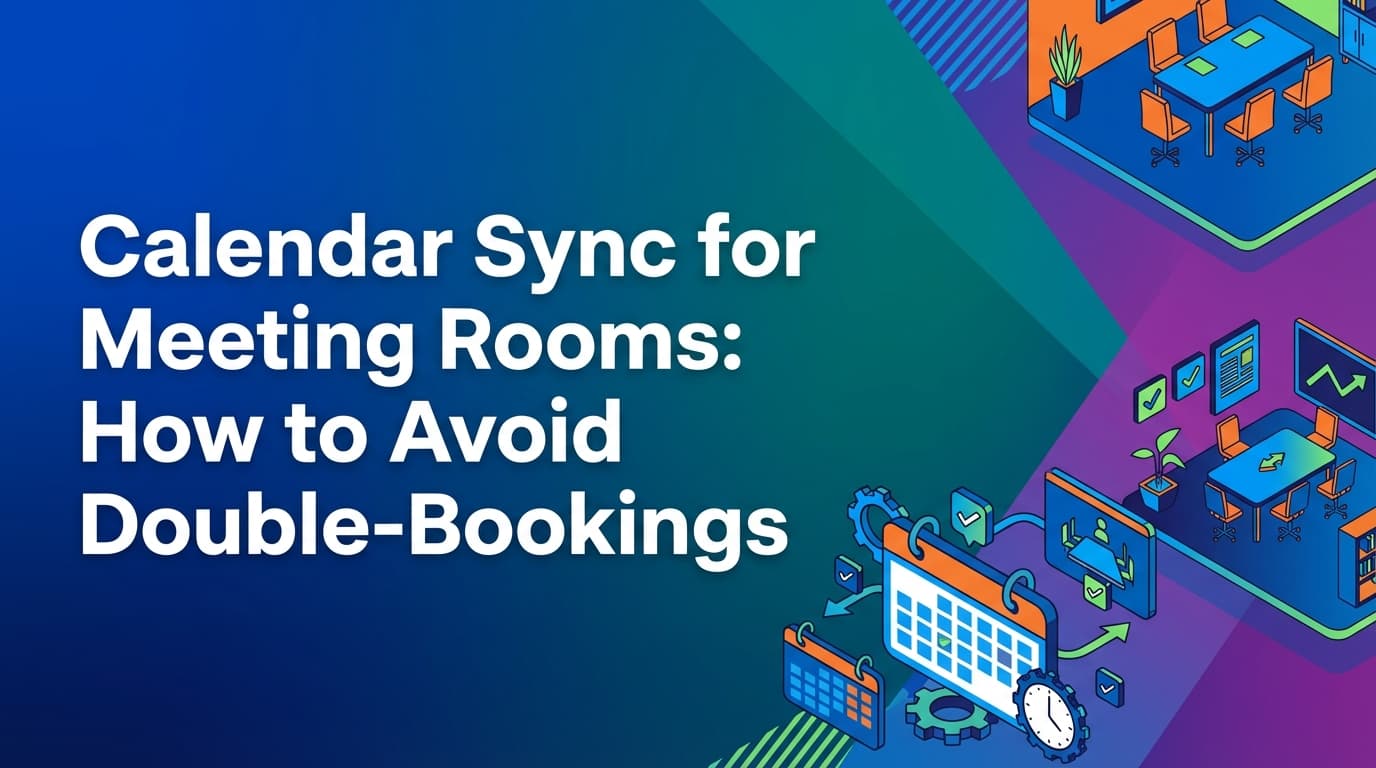
Calendar Sync for Meeting Rooms: How to Avoid Double-Bookings
Meeting room double-bookings occur when calendar systems fail to sync in real-time across Outlook, Google, and physical displays. This guide explains how to implement a reliable calendar sync that enforces check-ins and handles recurring meeting conflicts to ensure your workplace data remains accurate and rooms stay available.

By Julian Everett
How to Build a Business Case for Office Space Reduction
Building a business case for office space reduction requires moving from anecdotal observations to audit-grade utilization data. This guide explains how to identify wasted square footage, calculate potential savings, and use policy enforcement to ensure a smaller footprint still supports your workforce effectively.

By Oliver Wright
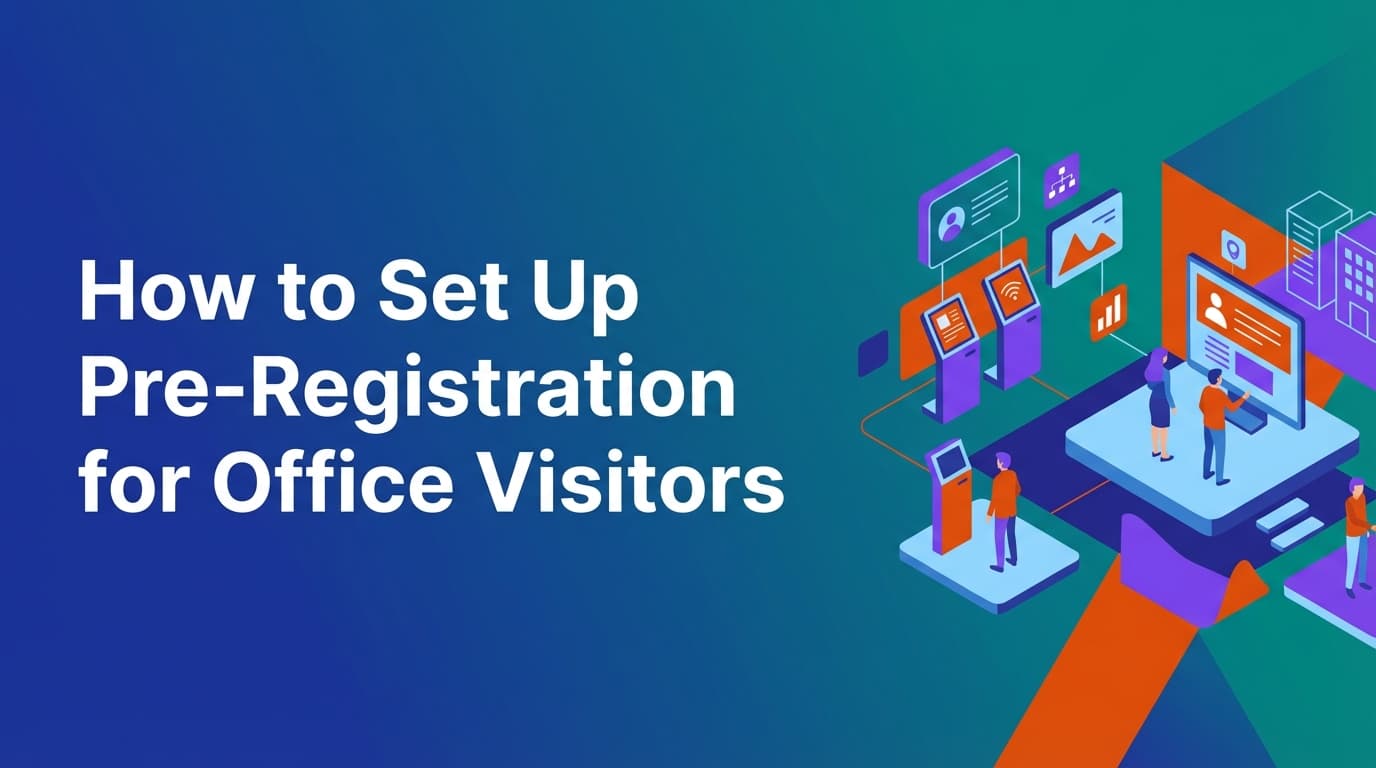
How to Set Up Pre-Registration for Office Visitors
Visitor pre-registration streamlines office entry by collecting guest information and signed documents before arrival. This guide explains how to configure automated invites, digital NDAs, and check-in enforcement to ensure security and operational accuracy. By moving from manual logs to a unified workplace system, facilities teams gain audit-grade data on actual office occupancy.

By Ethan Montgomery
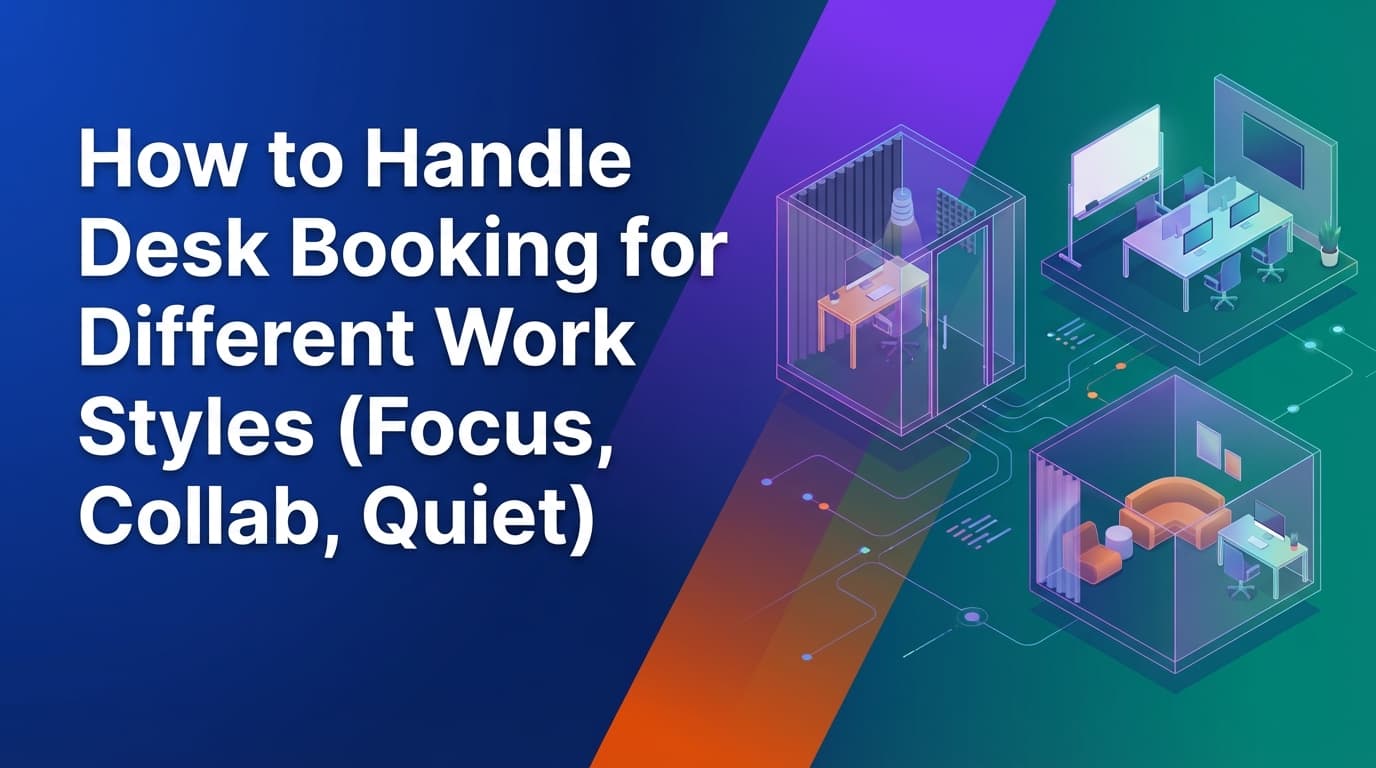
How to Handle Desk Booking for Different Work Styles (Focus, Collab, Quiet)
Effective desk booking requires more than just a reservation system. It needs policy enforcement and spatial modeling to support focus, collaboration, and quiet work. This guide explains how to use multi-modal booking logic and check-in enforcement to ensure employees find the right space while providing facilities teams with accurate utilization data.

By Charlotte Reed
The Complete Guide to Visitor Management Systems for Modern Offices
A visitor management system replaces manual logs with digital check-ins, legal document signing, and host notifications. This guide explains how to implement visitor tracking that enforces security policies and provides audit-grade data for workplace operations teams.

By Alexander Bennett
How to Increase Voluntary Office Attendance Without Mandates
Increase voluntary office attendance by removing friction and using real utilization data to design better workspaces. This guide covers how to transition from unpopular mandates to a 'magnet' office model using check-in enforcement, neighborhood booking, and resource-agnostic management.

By Julian Everett
How to Transition from Assigned Seating to Hot Desking
Moving from assigned seating to hot desking requires more than just removing nameplates. Success depends on clear policy enforcement, reliable utilization data, and a system that tracks actual desk usage rather than just calendar intent. This guide explains how to manage the transition by implementing check-in requirements and automated desk releases to prevent ghost bookings and employee frustration.

By Nora Bradford
SCIM Integration for Workplace Management: Why It Matters
SCIM integration automates the provisioning and deprovisioning of users in workplace management systems. It connects your identity provider to your office tools to ensure that desk access, room permissions, and departmental policies update automatically as your workforce changes. This guide explains why SCIM is necessary for maintaining operational truth and security in hybrid offices.
By Ethan Montgomery
How to Right-Size Your Office for Hybrid Work Without
Right-sizing an office requires moving beyond calendar assumptions to track actual utilization. By implementing check-in enforcement and spatial modeling, workplace teams can reduce real estate costs while maintaining the collaborative zones that drive company culture. This guide explains how to use operational data to balance square footage with employee experience.

By Isabella Hunter
Neighbor Booking: Helping Teams Sit Together in a Flexible Workspace
Neighbor booking allows employees to see where their colleagues are sitting before they reserve a desk. This practice improves team coordination in hybrid offices by ensuring groups can sit together without requiring permanent assigned seating. It works best when backed by real-time check-in data rather than just calendar reservations.
By Lucas Hamilton
Return to Office Strategies That Increase Voluntary
Voluntary office attendance depends on predictability and resource availability. This guide explains how to use check-in enforcement, spatial modeling, and automated policies to ensure employees find the people and tools they need when they choose to work onsite.
By Lucas Hamilton
Hybrid Work vs. Remote Work vs. In-Office
Choosing between hybrid, remote, and in-office work requires balancing operational capacity with team productivity. This guide compares each model and explains how to implement workplace policies that rely on actual utilization data rather than calendar assumptions.
